Read · interview
 Q&A: Composer Layale Chaker on creating Ruinous Gods & her journey in musicOperaWireread the article ↗

seven suites for sleeping children
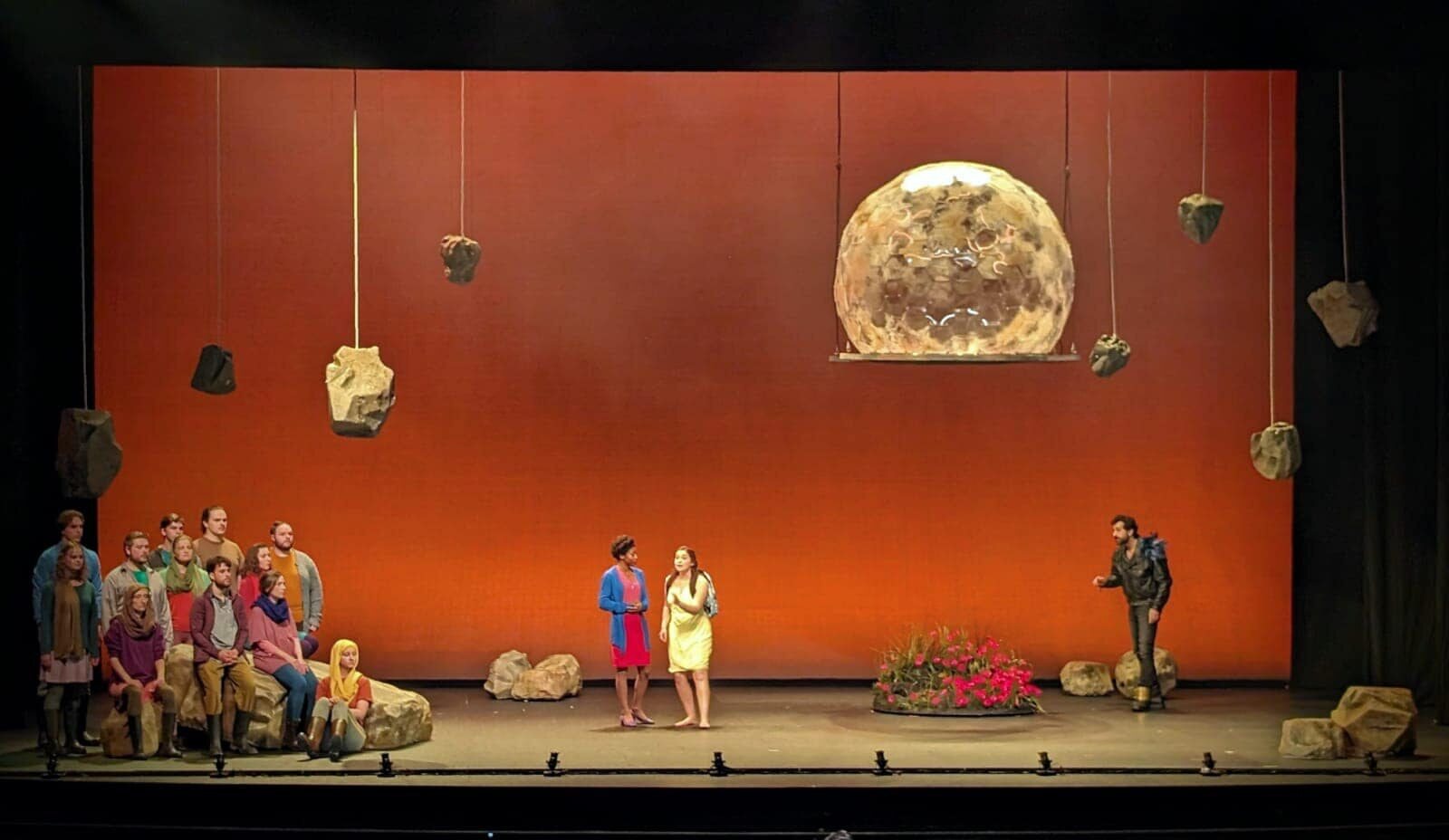
children who fall into a sleep
they cannot wake from
Affected by uppgivenhetssyndrom (resignation syndrome), young asylum seekers become unresponsive, trapped in a coma-like sleep after the trauma of forced migration. While their families struggle inside a bureaucratic limbo, the children drift into an underworld of dreams and nightmares where history, myth and contemporary exile converge.
Until recently, resignation syndrome was diagnosed only in Sweden; it is now evident in refugee camps around the world. One survivor describes it as “being trapped in a glass box” (The New Yorker).
Inspired by the myth of Demeter and Persephone, the work follows a mother trying to wake her twelve-year-old daughter. The child’s journey through a subterranean dream-world is by turns painful, humorous and hopeful.
ancient chant, maqām, jazz
The score, for symphony orchestra, weaves Arabic maqām, vernacular chant, Western classical traditions and jazz, moving between solo recitative and choral chant. The opera opens with Enheduanna’s “Hymn to Inanna”, sung in Sumerian: words by the first named poet in history, some four thousand years old.
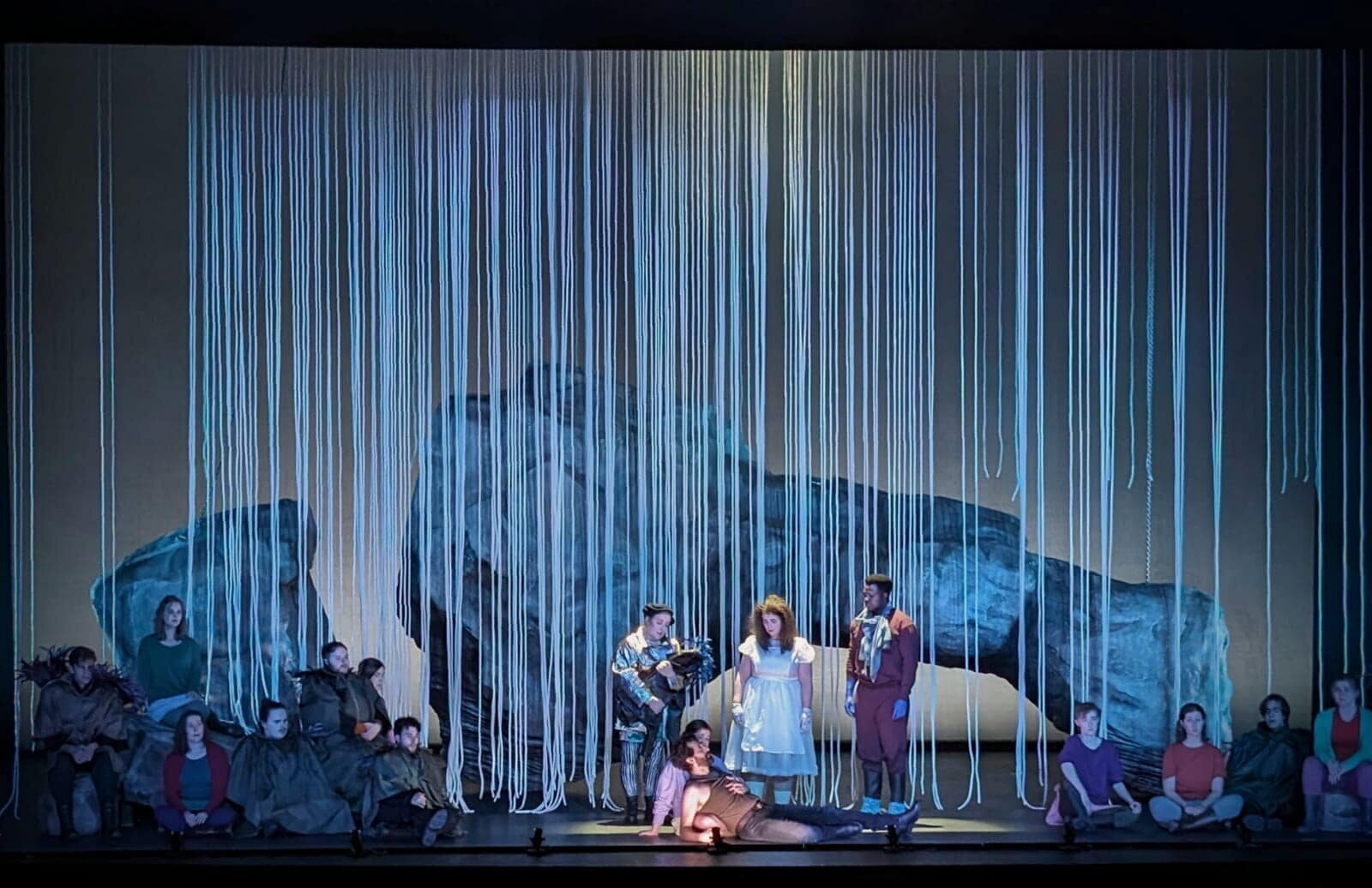
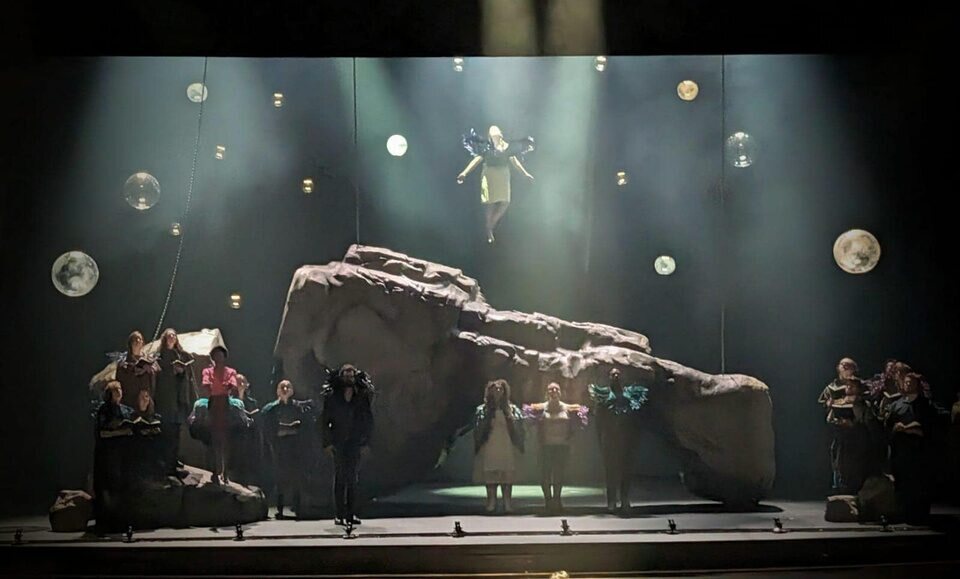
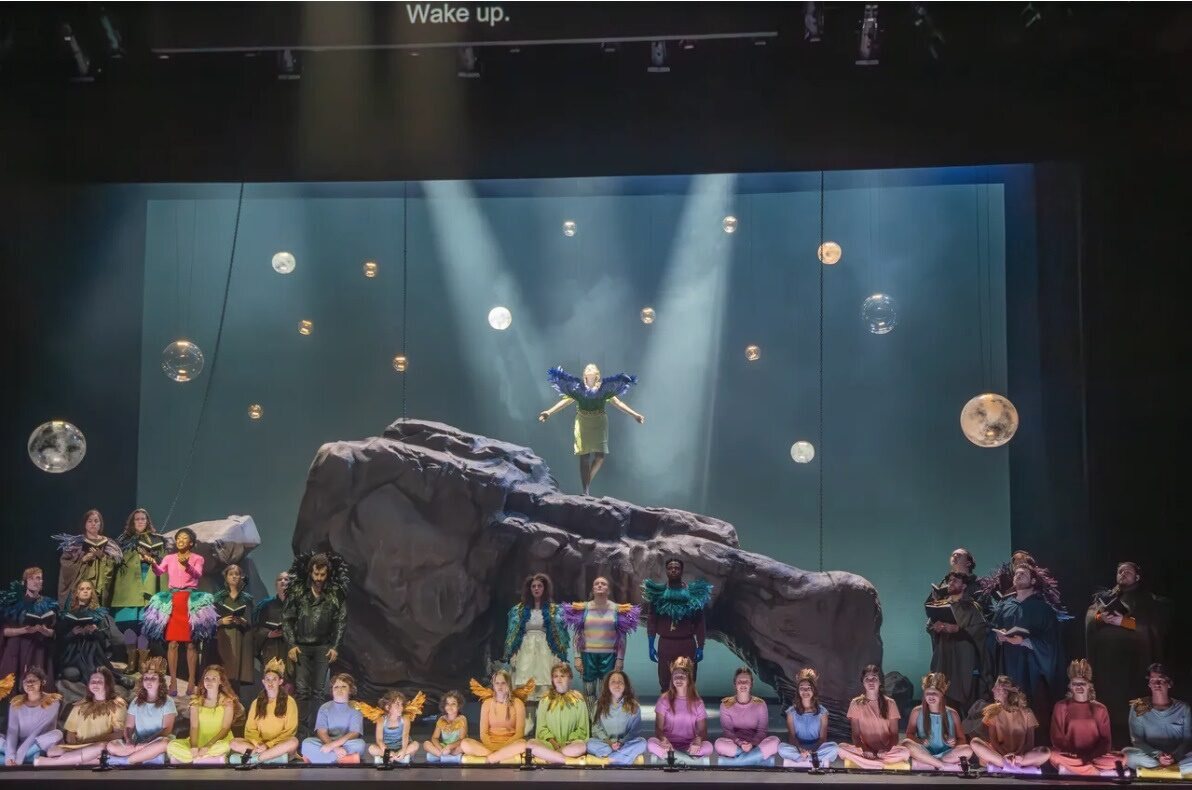
The chorus is a shape-shifter: extinct migratory birds, sleeping children, refugees, gods. Through it, the children’s seven dreams become one collective song, by turns painful, humorous and hopeful.
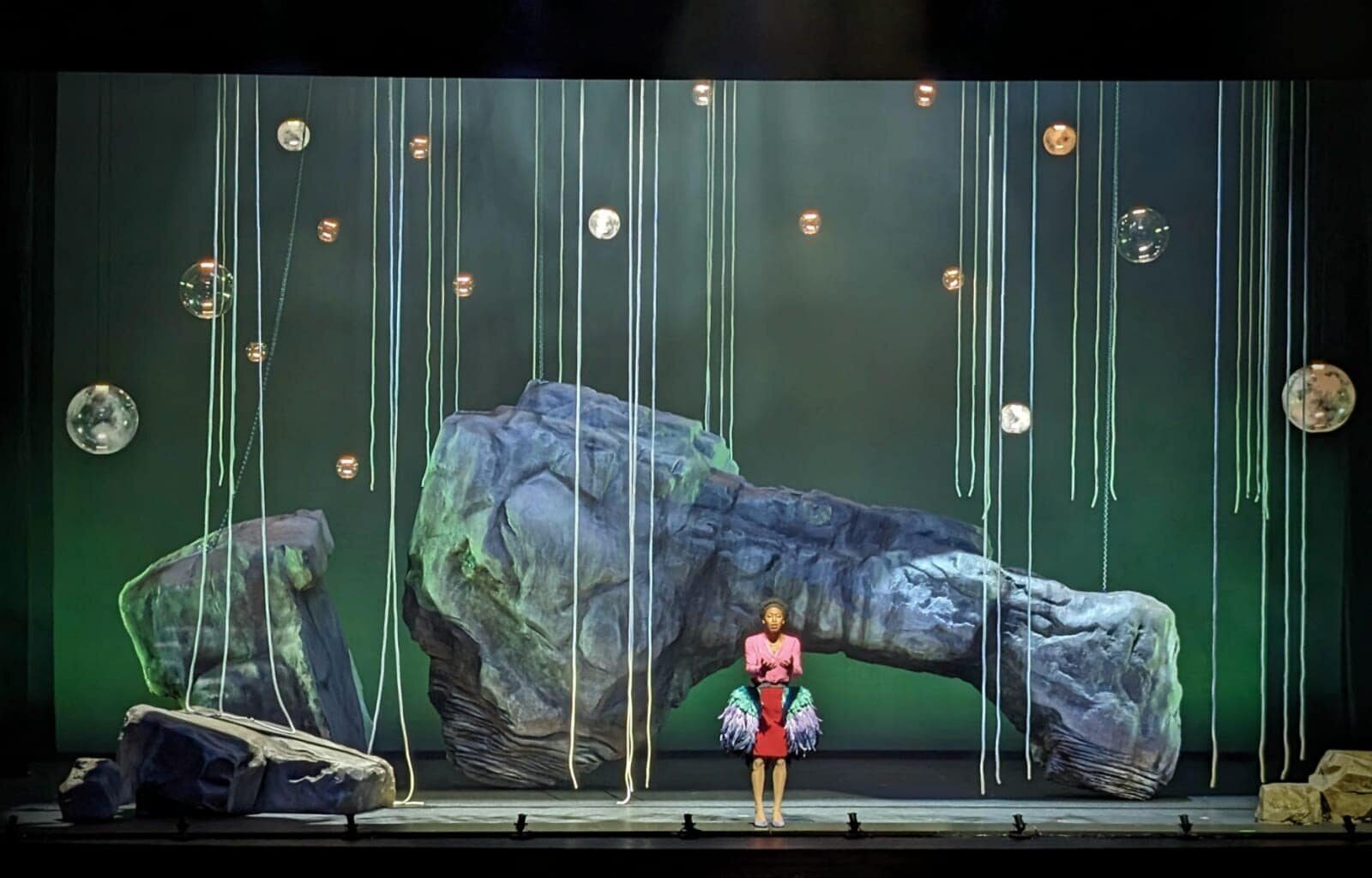
Commission & production
Spoleto Festival (primary commission, 2024)
seven dreams, one backpack
On the eve of fleeing Turkey by boat with her parents, Hala, a twelve-year-old girl, packs a tiny backpack with her clothes, but her most precious possession won’t fit. Worn out by the stress of the journey ahead, she falls asleep.
In seven dream sequences she follows seven other children who have fled war and climate disaster, only to learn they will not be granted asylum. The dreams echo familiar fairy tales: lost possessions come to life, and a chorus keeps transforming (extinct migratory birds, sleeping children, refugees), guiding her through nightmarish and fantastical landscapes.
But the opera also plays against these familiar stories: the real nightmare is waking up. In the final scene we return to Hala. Will she wake, or sleep on into eternity? When she opens her backpack, the world is transformed. But is it real, or a dream?
Based on documented testimonies from survivors and their families, Ruinous Gods resists the dystopian narratives of popular culture to make space for imagination and agency.
 WatchTrailer ↗YouTube
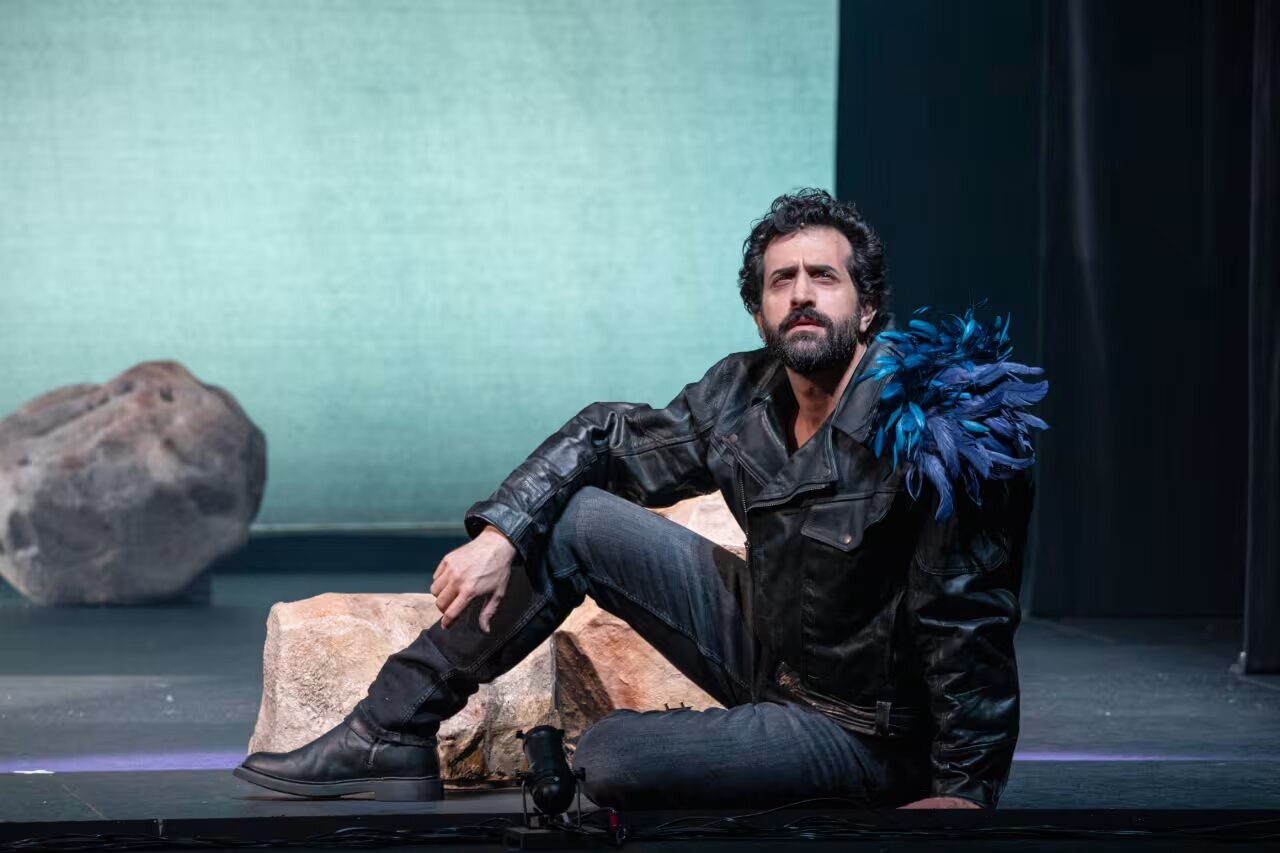 WatchScene I, Prologue: “Gods arrive in the bodies of extinct birds” ↗YouTube
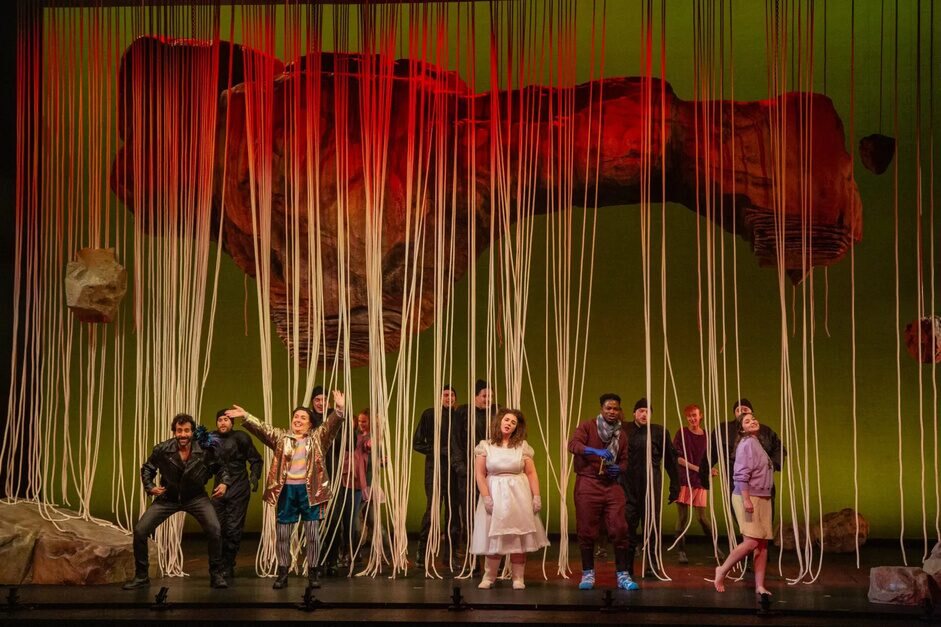 WatchScene 15: “Jeb Fezos is going to the Moon” ↗YouTubeListenSophia, The Rabbit Scene ↗YouTube
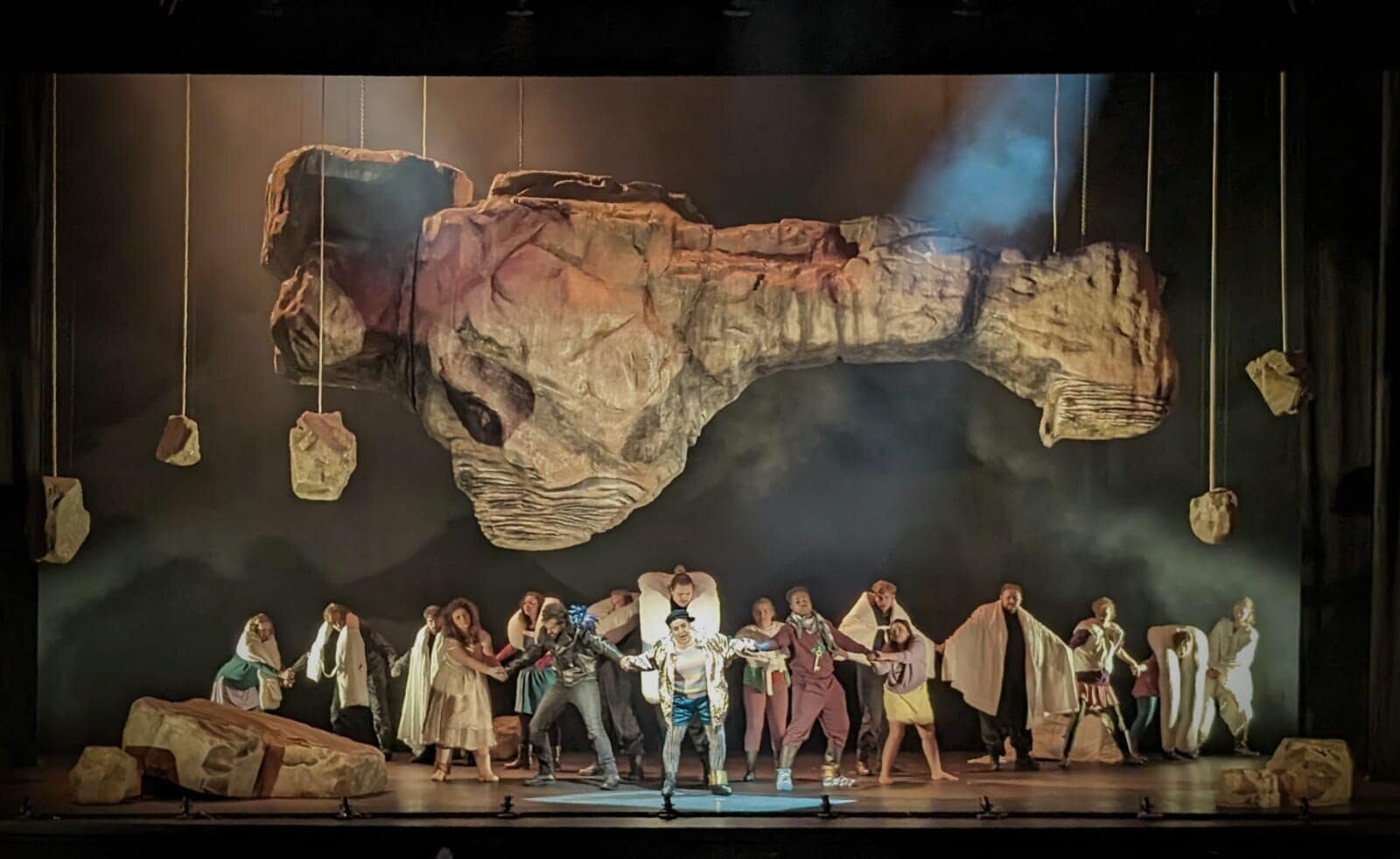 ListenWandering Tattlers ↗YouTube
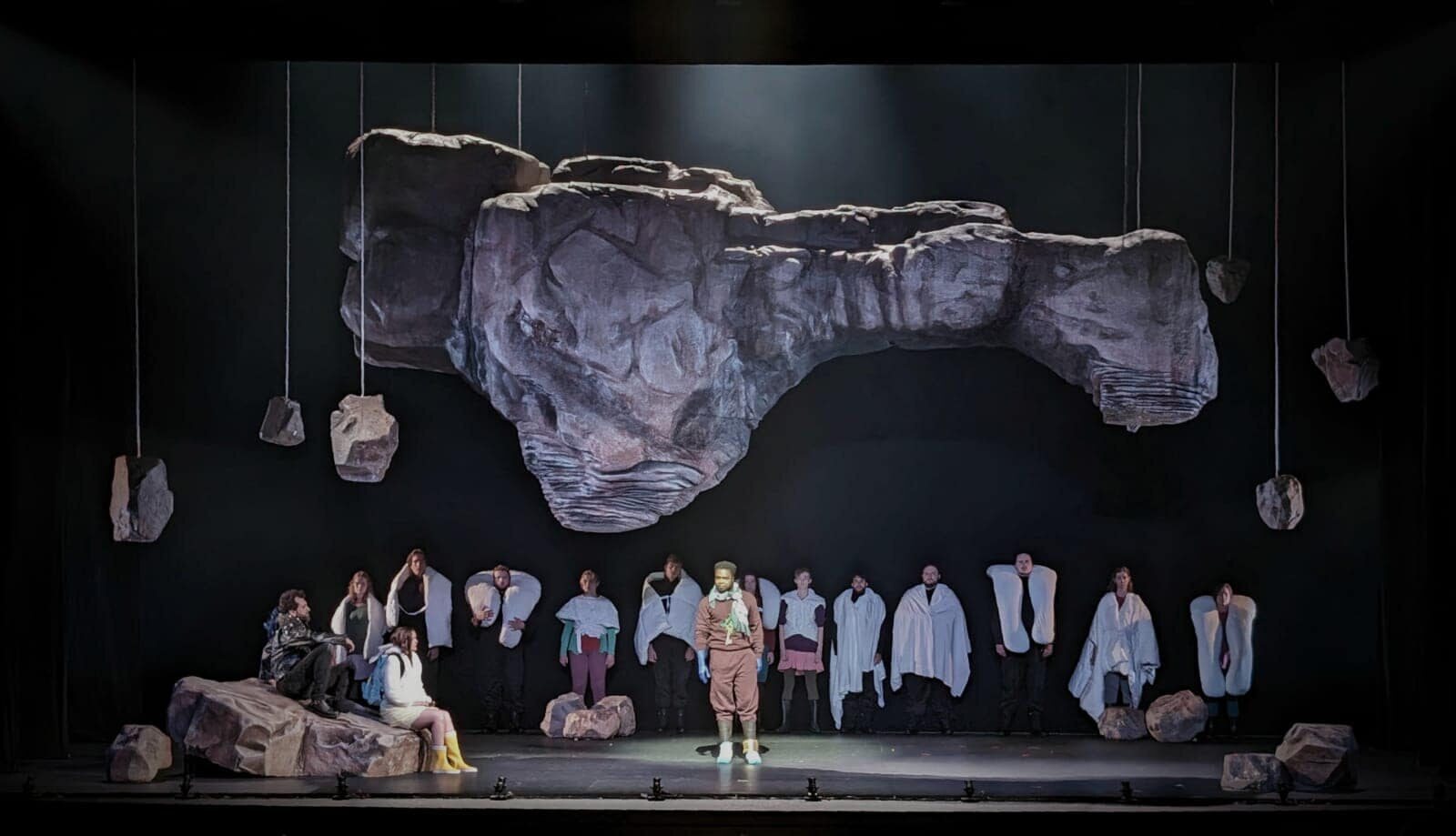 ListenHymn to Ishtar-Inanna, in Sumerian, by Enheduanna ↗YouTube
 WatchCreating Ruinous Gods: a conversation with composer Layale Chaker and librettist Lisa Schlesinger ↗YouTube
Q&A: Composer Layale Chaker on creating Ruinous Gods & her journey in musicOperaWireread the article ↗
“Ruinous Gods is a mesmerizing work, perfect for the Spoleto Festival stage. Its score, by Layale Chaker, is an innovative mix of musical styles, among them old choral chant and melodies tinged with Middle-Eastern flourishes.”
“Exquisite voices are aloft on a gloriously innovative score. Folding in the timely and the timeless, Chaker’s recitative-rich score swirls around the singing, a blending of styles from ancient chants to a high-energy crowd-pleasing number.”
“Much of the text alternates between solo recitative and choral chant, underlined and surrounded by an inventive, nicely varied orchestral score.”
“‘Ruinous Gods’ speaks to the maddening political morass that drags down the world’s most vulnerable.”
“Its score, by Layale Chaker, is an innovative mix of musical styles, among them old choral chant and melodies tinged with Middle-Eastern flourishes.”
“A series of meditations, with Chaker’s hypnotic score to anchor everything.”
next project
Enheduanna →